How Nigeria's Cassava Processing Can Rise from Largest Producer to Major Processor?
FAQ/ Chat online/ Leave a message/ January 21, 2026
As the world's largest cassava producer with an annual output exceeding 60 million tons, Nigeria faces a critical yet promising question: how can its cassava processing rise from being the largest producer to becoming a major processor? Despite its immense agricultural output, the country has yet to fully convert this advantage into sustained economic value, largely due to high post-harvest losses and limited value-added processing. Transforming from a raw material giant into a cassava processing powerhouse is not just an economic opportunity—it is an essential step toward industrial growth and sustainable development.
In this article, Henan Jinrui explores Nigeria’s cassava processing industry—its strengths, its bottlenecks, and practical pathways to strengthen local processing capacity and capture greater value from every tuber.
 Nigeria's cassava processing industry
The Development Advantages of Nigeria's Cassava Processing Industry
1. Stable Raw Material Supply
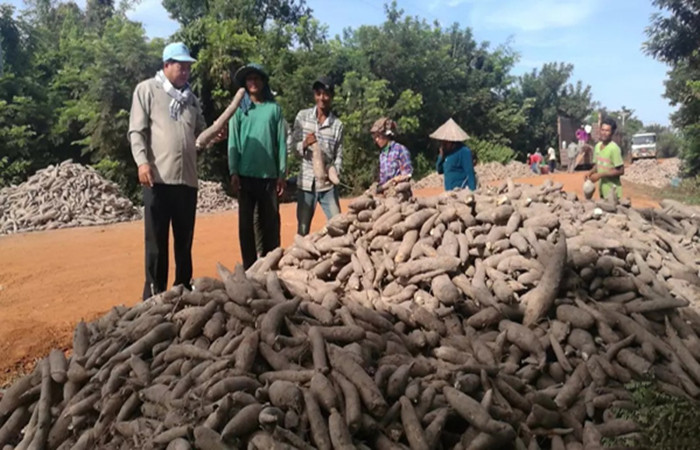
As the world's top producer, Nigeria grows more than enough cassava. This means your cassava processing business has immediate access to a huge, local supply of raw tubers. You save significantly on logistics and import costs, ensuring stable input prices for your garri, fufu, or cassava flour production. Reliable supply is the first rule of a good cassava processing business, and here, it's already solved.
2. Growing Domestic Market Demand
You are building a cassava processing business for a market that is ready and waiting. Staple foods like garri and fufu, which your plant will produce, are consumed daily in millions of Nigerian homes. Furthermore, bakeries and food industries are generating growing demand for reliable, locally-produced cassava flour. This powerful demand means your cassava processing plant has built-in customers from day one, making market entry and cash flow management significantly smoother.
3. Supportive Government Policy
The government is pushing to add value to local crops like cassava. For you, this translates into tangible benefits such as easier business registration, potential tax incentives, and support for import substitution. By setting up a local cassava processing plant, you can tap into the large market for industrial starch and other products that Nigeria currently imports, giving your cassava processing business a major competitive edge and growth opportunity.
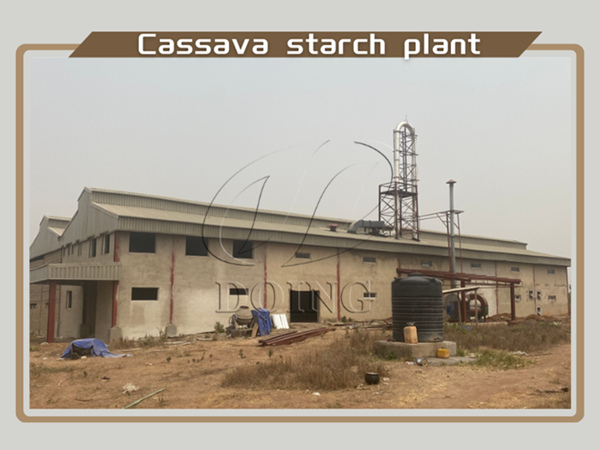
 Set up a cassava processing plant
Key Bottlenecks Hindering Nigeria's Cassava Processing Industry
1. Infrastructure & Energy Limitation
Unreliable and expensive electricity is a daily challenge in Nigeria. For local cassava processing plant, power outages mean halted production, wasted raw materials, and damaged equipment. Relying on costly diesel generators drives up your operating costs, making your final cassava processed products less competitive and eating directly into your profits.
2. Outdated & Inefficient Processing Equipment
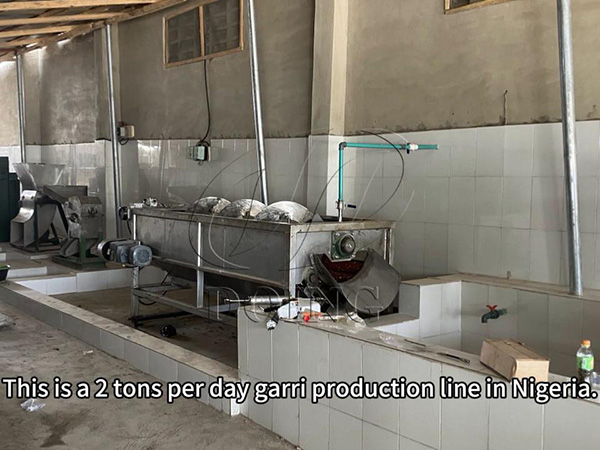
Many local processors rely on manual methods or basic, low-capacity machines. This creates a major bottleneck: slow speed, high labour costs, and significant product waste (up to 30% or more). Without investing in modern, high-capacity cassava processing machines—like efficient peelers, dewatering presses, and precision dryers—your cassava processing capacity remains limited. You cannot scale up to meet large orders or achieve the high yields needed for strong profitability.
3. Inconsistent Product Quality & Limited Markets
Traditional, variable methods lead to inconsistent quality in garri, fufu, or flour. This inconsistency makes it difficult to build a trusted brand, command premium prices, or supply large, quality-sensitive buyers like supermarkets and food industries. Without the ability to reliably produce high-quality, standardized products—such as High-Quality Cassava Flour (HQCF)—your cassava processing business remains stuck in the low-margin, informal market.
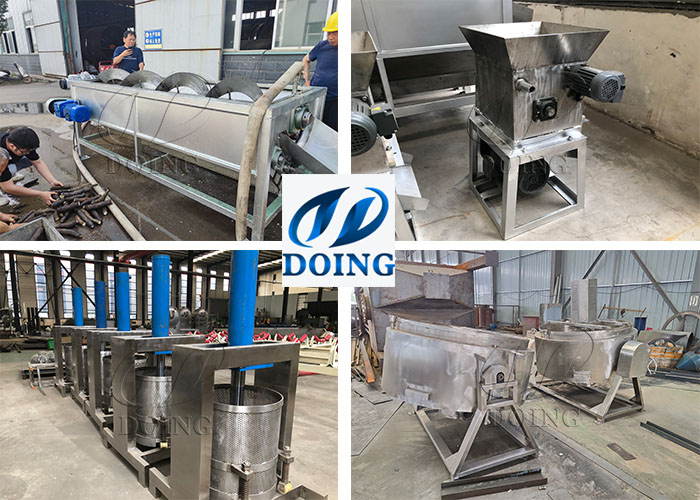 Modern cassava processing machines
The Roadmap: From Top Cassava Producer to Major Processor
1. Secure Your Power & Supply Chain
Protect your operation and profits by addressing power and logistics first. Invest in reliable backup power, like industrial generators, for your cassava processing plant to ensure uninterrupted production. Locate your plant close to farms to use fresher tubers, slashing the high post-harvest losses that cut into your yield.
2. Invest in Modern Processing Equipment
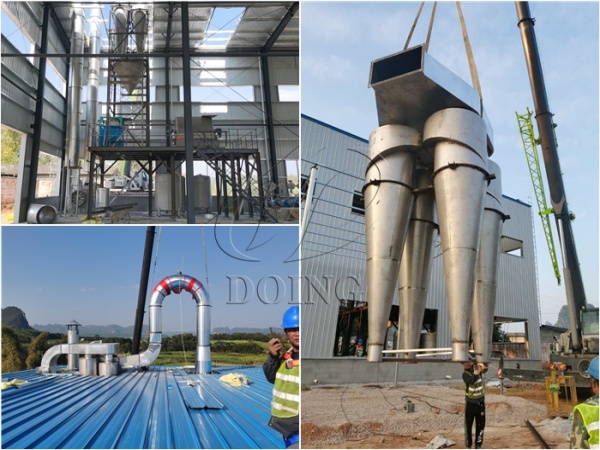
Scaling up and reducing waste requires the right tools. Upgrading to efficient cassava processing equipment—such as mechanical peelers, dewatering presses, and precision dryers—is essential. Modern machines from suppliers like Henan Jinrui boost capacity, ensure higher product yield, and turn more of your raw cassava into sellable goods, directly increasing profitability.
3. Standardize for Premium Quality & Markets
Consistent quality opens premium markets. Implement basic quality controls and use reliable equipment to produce uniform garri, fufu, or High-Quality Cassava Flour (HQCF). Meeting set standards builds your brand, allows you to supply larger buyers like bakeries, and moves your cassava processing business beyond the low-margin informal market.
Nigeria's journey from top producer to major processor is paved with both challenge and opportunity. Overcoming the bottlenecks of infrastructure, outdated technology, and inconsistent quality requires a decisive step towards modernization. This is where Henan Jinrui becomes your essential partner. We provide more than just machines; we deliver complete cassava processing solutions. Stop letting post-harvest losses and inefficiency limit your cassava processing growth. Contact Henan Jinrui today for a free consultation for your profitable, high-quality processing operation.
Leave A Message
- Do you want to buy machine?
- Yes, I want to buy machine
- No, I want to learn more in advance.
- What is your raw material?
- Cassava
- Potato
- Sweet potato
- Other:
- What is the final product you want to produce?
- Chips
- Flour
- Starch
- What is the final product you want to produce?
- Garri
- Cassava flour
- Cassava starch
- Cassava chips
- Attiekie
- Bammy
- Other:
- What is your planned capacity for final product?
- <1 ton per day
- 1 ton per day
- 2 tons per day
- 3 tons per day
- 3-10 tons per da
- 10-20 tons per day
- >20 tons per day
- What is the usage of your cassava chips?
- Food usage (like fried chips, flour)
- Industrial usage (like animal feeds, ethanol)
- What is your planned capacity for final product?
- <5 ton per hour
- 5-10 tons per hour
- >10 tons per hour
- What is your planned capacity for final product?
- <500 kg per hour
- 0.5-5 ton per hour
- 5-10 ton per hour
- >10 ton per hour
- What is your planned capacity for final product?
- <300 kg per hour
- 300-1000 kg per hour
- 1-5 ton per hour
- 5-10 ton per hour
- >10 ton per hour