What is bammy? And what is the difference between bammy and garri?
FAQ/ Chat online/ Leave a message/ February 6, 2026
In the vibrant global staples born from cassava, two stars shine with unique cultural flavors: Bammy and and Garri. Whether you're a food enthusiast or exploring cassava business opportunities, join us as we explore their differences such as distinct origins, tastes, and uses.
What is Bammy?
Bammy is a traditional, ready-to-eat Jamaican flatbread which is soft, slightly dense, chewy and has a mild and nutty taste. This product is made from cassava tubers after a series of processes. In Jamaican cuisine, it is a cherished accompaniment, commonly served with fried fish, ackee and saltfish, or hearty stews, functioning as a delicious and gluten-free bread alternative.
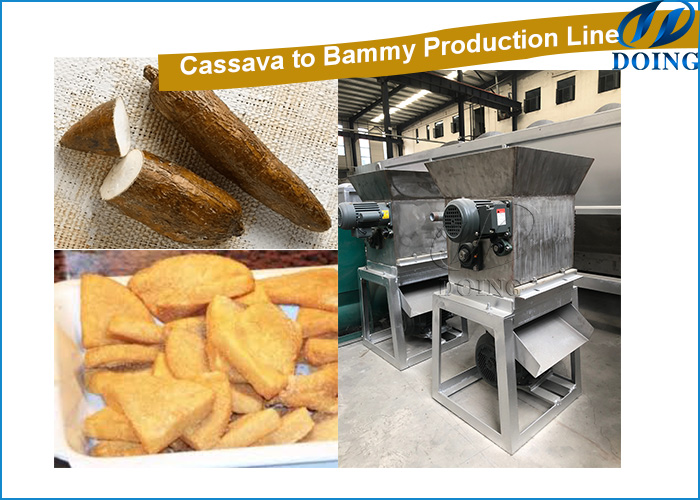 cassava to bammy production
What is the difference between bammy and garri?
Though rooted in the same source-cassava tubers, bammy and garri diverge significantly.
1. Difference in Origin & Cultural Heartland
Bammy: This is a culinary emblem of Jamaica. Its history is deeply intertwined with the island's indigenous Taíno people, making it a dish with centuries of local heritage.
Garri: This is the undisputed staple of West Africa, with Nigeria and Ghana being its largest consumers and cultural hubs. It is an integral part of daily life and food culture across the region.
2. Difference in Processing & Form
Bammy: The process is akin to making bread. It begins with fresh cassava which is grated into pulp, rinsed to remove bitterness, then shaped into discs. Then the shaped disc is soaked in coconut milk, and pan-fried or grilled. The output is a finished, moist flatbread or cake.
Garri: The process is to make granules. Through a series of work processes such as cleaning, washing, peeling, grating, fermentation, dewatering, frying, and sieving, the raw cassava tubers are transformed into white or yellow granules. The output is granules which can be further cooked to make traditional dishes.
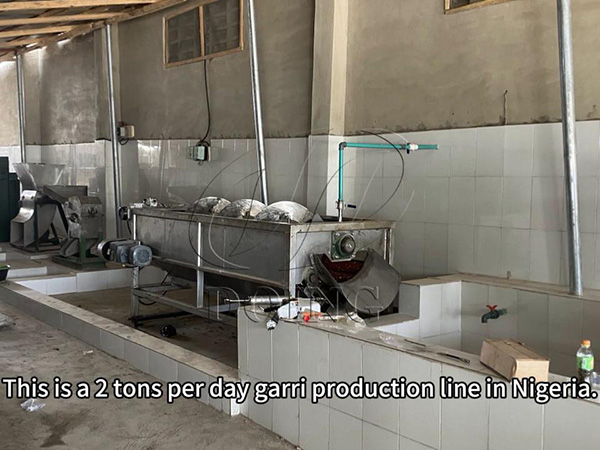
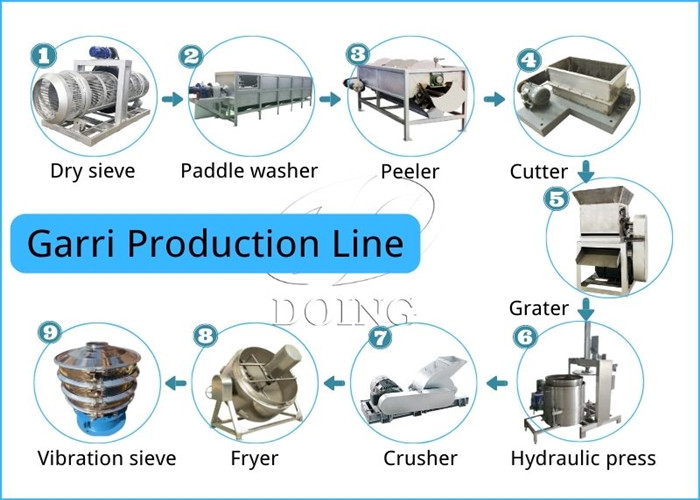 garri making line
3. Difference in Flavor Profile
Bammy: It has a mild, nutty, and subtly sweet flavor, often enhanced by the creaminess of coconut milk. It carries no sour notes.
Garri: The fermentation process gives garri its signature tangy, slightly sour taste. This distinctive acidity is a key reason for its popularity.
4. Difference in Culinary Use & Preparation
Bammy: It is a ready-to-eat side dish. Once cooked, it requires no further preparation and is served like bread to accompany mains.
Garri: It is a versatile raw ingredient which can be further used to make porridge and form smooth and dough-like balls called Eba by local people.
Though both born from cassava, bammy and garri are two distinct traditional foods, each shaped by unique cultural traditions and processing methods. If you're curious about these traditions or interested in cassava processing, visit Henan Jinrui's website. We share you with in-depth insights into cassava products, traditional methods, and modern processing technology!
Leave A Message
- Do you want to buy machine?
- Yes, I want to buy machine
- No, I want to learn more in advance.
- What is your raw material?
- Cassava
- Potato
- Sweet potato
- Other:
- What is the final product you want to produce?
- Chips
- Flour
- Starch
- What is the final product you want to produce?
- Garri
- Cassava flour
- Cassava starch
- Cassava chips
- Attiekie
- Bammy
- Other:
- What is your planned capacity for final product?
- <1 ton per day
- 1 ton per day
- 2 tons per day
- 3 tons per day
- 3-10 tons per da
- 10-20 tons per day
- >20 tons per day
- What is the usage of your cassava chips?
- Food usage (like fried chips, flour)
- Industrial usage (like animal feeds, ethanol)
- What is your planned capacity for final product?
- <5 ton per hour
- 5-10 tons per hour
- >10 tons per hour
- What is your planned capacity for final product?
- <500 kg per hour
- 0.5-5 ton per hour
- 5-10 ton per hour
- >10 ton per hour
- What is your planned capacity for final product?
- <300 kg per hour
- 300-1000 kg per hour
- 1-5 ton per hour
- 5-10 ton per hour
- >10 ton per hour