Why is the fermentation process necessary in gari production line?
FAQ/ Chat online/ Leave a message/ May 14, 2025
Gari,a granular cassava product with a little acid flavor, is very popular among West Africans.The unique acid flavor partly explains the importance of fermentation. But there are still other reasons. Next,follow Henan Jinrui to explore why fermentation is necessary in gari production line.
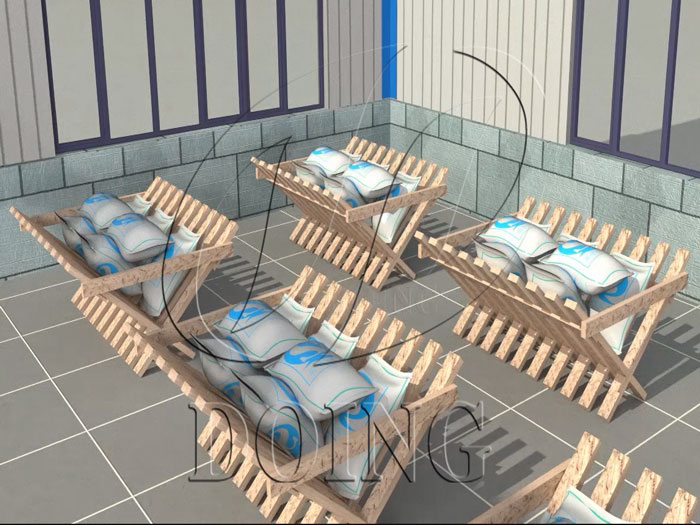 garri fermentation
1. Enhancement of Nutritional Value
Fermentation in gari production line transforms cassava’s nutritional profile, addressing its inherent deficiencies:
-Vitamin synthesis: Microbes generate B vitamins (e.g., thiamine and riboflavin) and vitamin C, which are absent or minimal in raw cassava.
-Protein enrichment: Though cassava is low in protein, fermentation partially degrades its fibrous structure, improving digestibility andfreeing amino acids.
-Phytate reduction: Fermentation decreases antinutrients like phytates, enhancing mineral bioavailability (e.g.,iron and zinc).
2. Development of Texture and Flavor
Fermentation imparts gari’s characteristic sour taste and granular texture:
-Acid production: Lactic acid bacteria (LAB) produce organic acids(e.g., lactic and acetic acids), lowering the pH to 4.0–4.5. This acidity not only inhibits pathogens but also creates gari’s signaturetangy flavor.
-Starch modification: Enzymatic breakdown of starch during fermentation reduces stickiness, enabling the grated cassava to form the coarse, free-flowing granules typical of high-quality gari. Most West African like such little acid flavor.
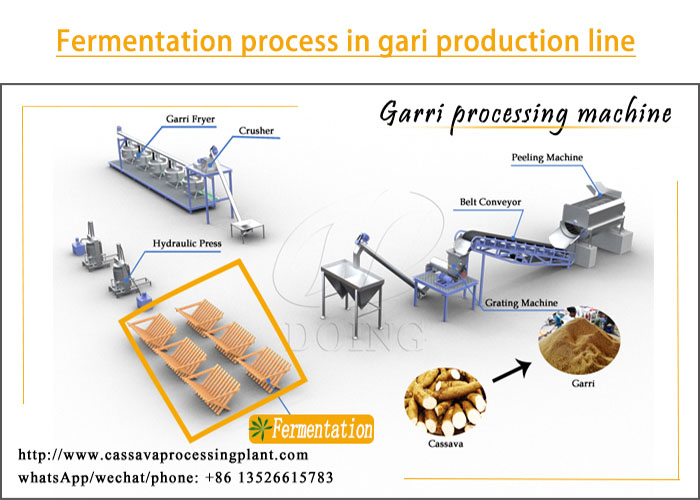 fermentation process in gari production line
3. Preservation and Shelf-Life Extension
Fermentation acts as a natural preservative:
- Acidic environment: The low pH inhibits spoilage organisms and pathogens like E. coli and Aspergillus flavus.
-Moisture reduction: Fermentation in gari production line is oftenpaired with pressing and frying, but the initial microbial activityreduces water activity, further preventing microbial growth.
4.Cultural and Economic Relevance
Fermentationis deeply rooted in traditional gari processing practices across WestAfrica. It requires minimal technology, making gari production accessible to small-scale farmers and rural communities. Skipping fermentation would not only compromise safety and quality but alsodisconnect the product from its cultural identity.
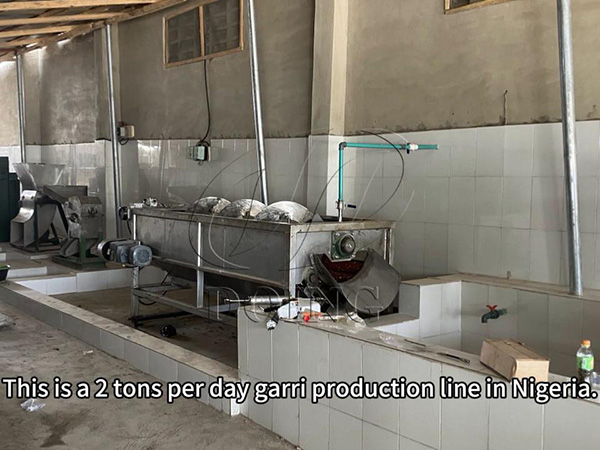
Allin all, the fermentation is a necessary step for gari production with richer nutrition, better taste and longer preservation. If you want to enter gari production and learn more about modern garri processing technology which can control the whole process, just chat with us! We,Henan Jinrui, now have a branch office in Ogun State, Nigeria and many project cases in the world, glad to arrange you a visit to see theactual garri processing site and machinery!
Leave A Message
- Do you want to buy machine?
- Yes, I want to buy machine
- No, I want to learn more in advance.
- What is your raw material?
- Cassava
- Potato
- Sweet potato
- Other:
- What is the final product you want to produce?
- Chips
- Flour
- Starch
- What is the final product you want to produce?
- Garri
- Cassava flour
- Cassava starch
- Cassava chips
- Attiekie
- Bammy
- Other:
- What is your planned capacity for final product?
- <1 ton per day
- 1 ton per day
- 2 tons per day
- 3 tons per day
- 3-10 tons per da
- 10-20 tons per day
- >20 tons per day
- What is the usage of your cassava chips?
- Food usage (like fried chips, flour)
- Industrial usage (like animal feeds, ethanol)
- What is your planned capacity for final product?
- <5 ton per hour
- 5-10 tons per hour
- >10 tons per hour
- What is your planned capacity for final product?
- <500 kg per hour
- 0.5-5 ton per hour
- 5-10 ton per hour
- >10 ton per hour
- What is your planned capacity for final product?
- <300 kg per hour
- 300-1000 kg per hour
- 1-5 ton per hour
- 5-10 ton per hour
- >10 ton per hour