What's the difference between three-column centrifuge and garri presser?
FAQ/ Chat online/ Leave a message/ July 4, 2019
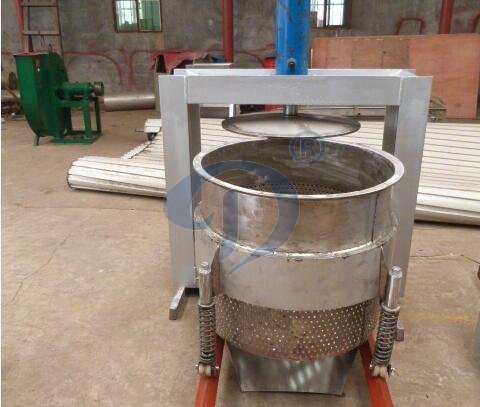
garri presser
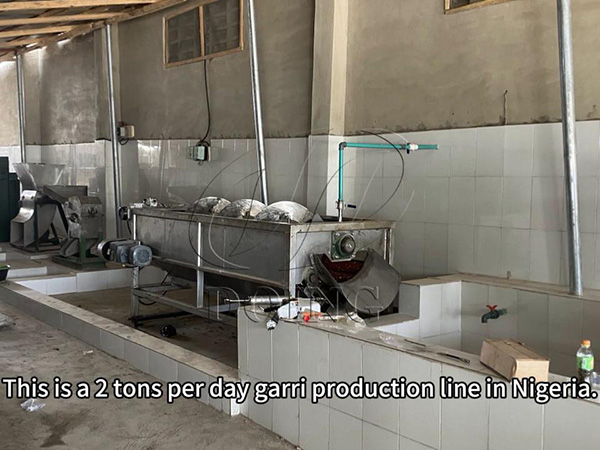
In Nigeria,garri is the popular food. To make garri, cassava tubers are peeled, washed and grated or crushed to produce a mash. and garri presser to remove the water. When the cassava has become dry enough, it is ready for the next step. It is then sieved and fried in a large clay frying pot with or without palm oil. The resulting dry granular garri can be stored for long periods
During the dewater machine to make garri, we need a garri presser. it can make the water capacity to very low so that i can fry direcctly, this garri presser using the principle of hydraulic and self-weight, nofilter chamber cavity, will directly press and squeeze the water under putting the material into the filter bag to further reduce the moisture content.
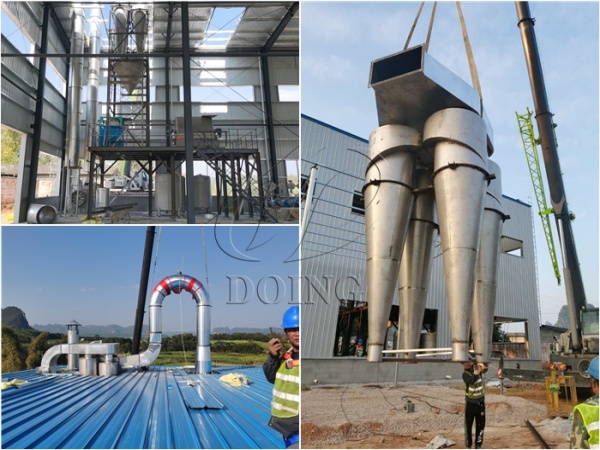
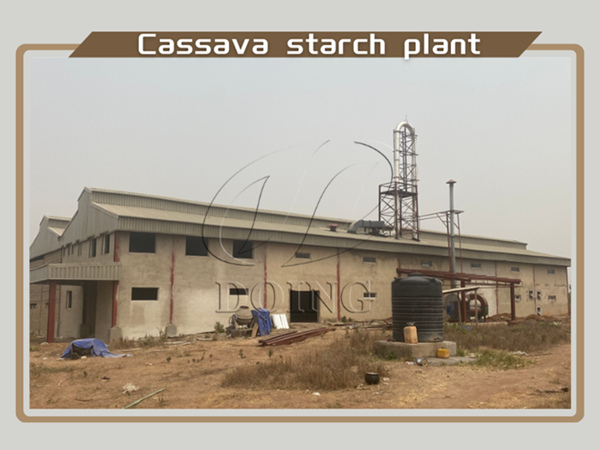
For the three-column centrifuge, we normally use it when process cassava starch, because degree of fineness of starch is higher than garri, the three-column centrifuge work better by the principles of centrifugal force.
Leave A Message
- Do you want to buy machine?
- Yes, I want to buy machine
- No, I want to learn more in advance
- What is your raw material?
- Cassava
- Potato
- Sweet potato
- Other:
- What type of equipment are you looking for?
- Single Machine
- Complete production line
- Which single machine do you want?
- Dry sieve
- Paddle washer
- Cassava peeler
- Cassava cutter
- Cassava grinder
- Cassava rasper
- Hydraulic press
- Garri fryer
- Cassava sieving machine
- Other:
- What type of equipment are you looking for?
- Complete production line
- Single Machine:
- What is the final product you want to produce?
- Chips
- Flour
- Starch
- What is the final product you want to produce?
- Garri
- Cassava flour
- Cassava starch
- Cassava chips
- Attiekie
- Bammy
- Other:
- How many tons of the final product do you want to process?
- <1 ton per day
- 1 ton per day
- 2 tons per day
- 3 tons per day
- 3-10 tons per day
- 10-20 tons per day
- >20 tons per day
- What is the usage of your cassava chips ?
- Food usage (like fried chips)
- Industrial usage (like animal feeds, ethanol, flour)
- How many tons of the final product do you want to process?
- <5 ton per hour
- 5-10 tons per hour
- >10 tons per hour
- How many tons of the final product do you want to process?
- <500 kg per hour
- 0.5-5 ton per hour
- 5-10 ton per hour
- >10 ton per hour
- What is your daily cassava input (tons)?
- Other: